What is Astrology? A Complete Beginner’s Guide
Astrology has fascinated humanity for thousands of years. Across civilizations, people have looked toward the sky to understand seasons, time, and the symbolic relationship between celestial movements and human life. Today, astrology continues to attract millions of people who seek self-awareness, spiritual guidance, and deeper insights into life’s patterns.
But what is astrology, and why has it remained relevant for so long?
If you’re new to astrology, you may have heard about zodiac signs, birth charts, horoscopes, or planetary influences without fully understanding what they mean. This comprehensive beginner’s guide explains astrology in simple language while introducing the foundations of Vedic Astrology, one of the world’s oldest astrological traditions.
Whether you’re curious about your birth chart or simply want to understand the basics, this guide will help you begin your astrological journey with clarity and confidence.
What is Astrology?
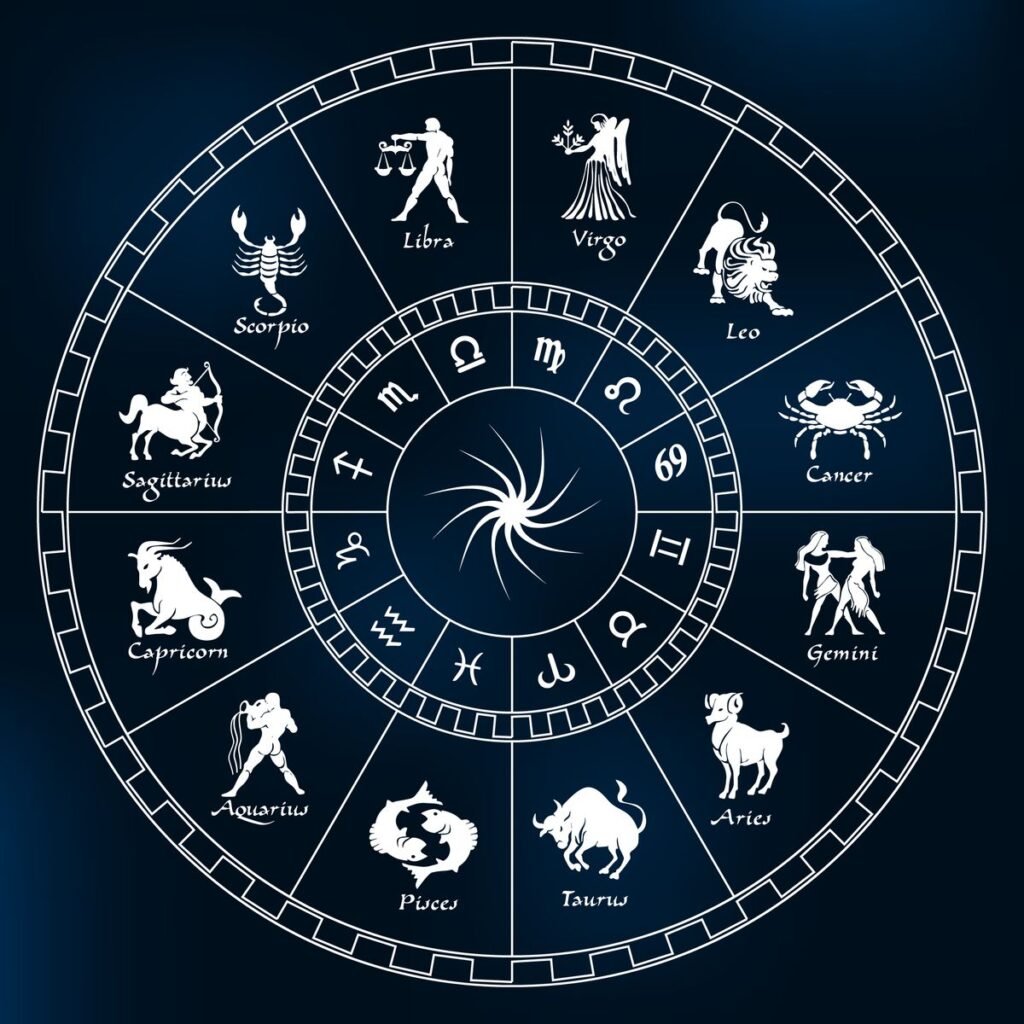
Astrology is a traditional system of interpreting the symbolic relationship between the positions and movements of celestial bodies—such as the Sun, Moon, planets, and stars—and human experiences.
Rather than claiming that planets directly control people’s lives, many astrologers understand astrology as a symbolic language that helps interpret tendencies, strengths, challenges, and cycles of life.
In many cultures, astrology is used for:
- Personal self-discovery
- Understanding personality traits
- Career guidance
- Relationship compatibility
- Timing important decisions
- Spiritual growth
- Understanding life patterns
It is important to distinguish astrology from astronomy.
- Astronomy is a scientific study of celestial objects and the universe.
- Astrology is a traditional and symbolic practice that interprets celestial positions in relation to human life and experience.
While astrology has deep historical and cultural significance, its claims are not established scientific facts. Many people value astrology as a spiritual, philosophical, or reflective tool rather than as empirical science.
Astrology Meaning
The word astrology comes from two Greek words:
- Astron – Star
- Logos – Study or discourse
So, the astrology meaning is often described as the study or interpretation of the stars and heavenly bodies.
In Indian tradition, astrology is known as Jyotish, which means:
“The Science of Light.”
Here, “light” refers not only to the physical light of celestial bodies but also to wisdom, awareness, and spiritual insight.
Jyotish aims to illuminate life’s possibilities and help individuals understand their karmic tendencies and life path.
Astrology Explained in Simple Terms
If someone asks, “Can you explain astrology in simple language?”, here’s an easy answer:
Imagine your birth as a snapshot of the sky.
At the exact moment you were born:
- The Sun occupied a specific zodiac sign.
- The Moon was positioned in another sign.
- Every visible planet occupied a unique location.
- These planetary placements formed your birth chart.
Astrologers interpret this chart to understand symbolic patterns related to:
- Personality
- Emotional tendencies
- Talents
- Challenges
- Relationships
- Career inclinations
- Spiritual lessons
- Important life periods
The birth chart is considered a symbolic map rather than a fixed script. It suggests tendencies and opportunities, while personal choices, circumstances, and effort continue to play important roles in shaping life.