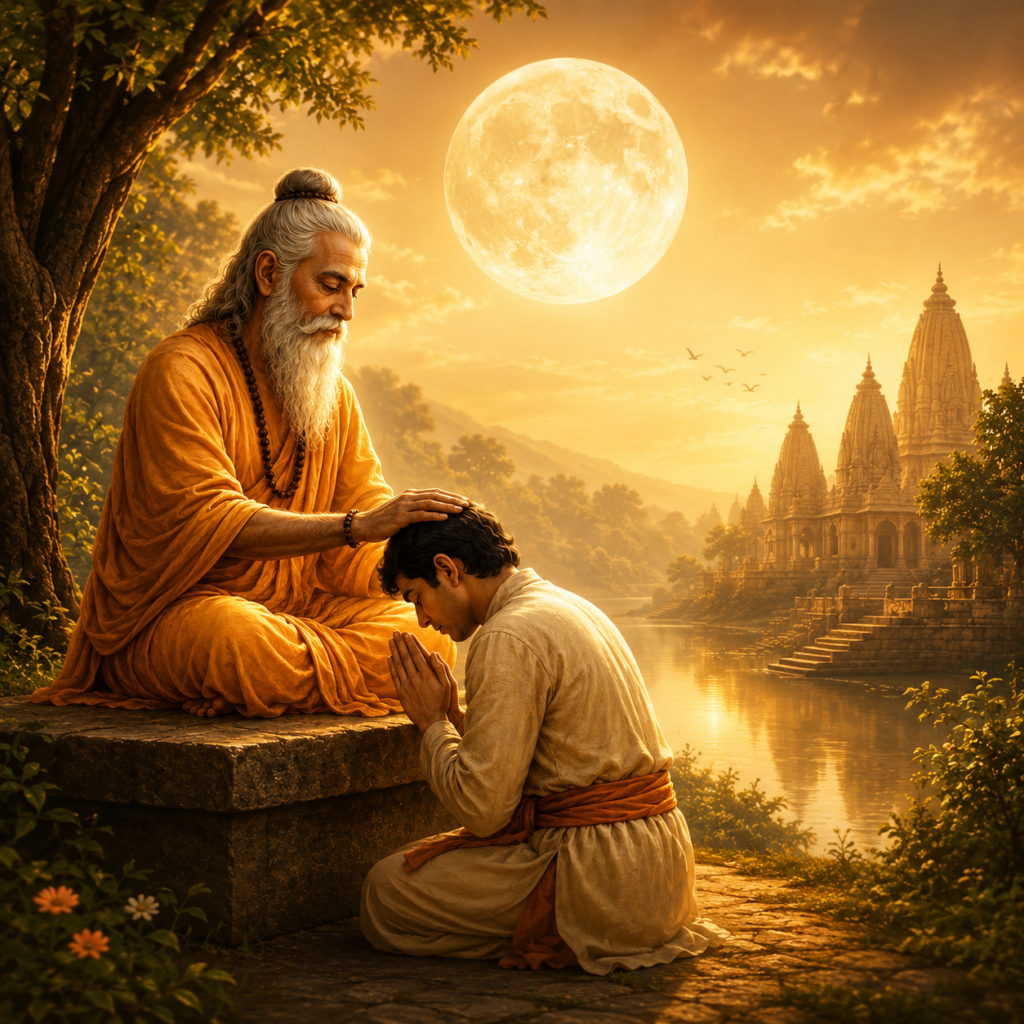
What is Kalashtami?
Kalashtami is a sacred Hindu observance dedicated to Lord Kaal Bhairav, who is regarded as the fierce yet compassionate guardian form of Lord Shiva. The festival occurs every month on the eighth day (Ashtami) of the waning phase of the Moon (Krishna Paksha).
Among the twelve monthly Kalashtamis, the one observed during the Margashirsha month is especially significant and is often known as Bhairav Ashtami or Kala Bhairav Jayanti, commemorating the traditional appearance of Lord Kaal Bhairav.
Devotees observe Kalashtami to express devotion, seek spiritual guidance, and strengthen their commitment to righteous living.
Kalashtami Meaning
The word Kalashtami combines two Sanskrit terms:
- Kala – Time or the eternal aspect of existence.
- Ashtami – The eighth lunar day in the Hindu calendar.
Together, Kalashtami refers to the sacred Ashtami dedicated to Lord Kaal Bhairav, who is traditionally associated with time, discipline, protection, and justice.
The observance reminds devotees of the importance of living responsibly, respecting time, and following the path of dharma (righteousness).
Who is Lord Kaal/ Kala Bhairav?
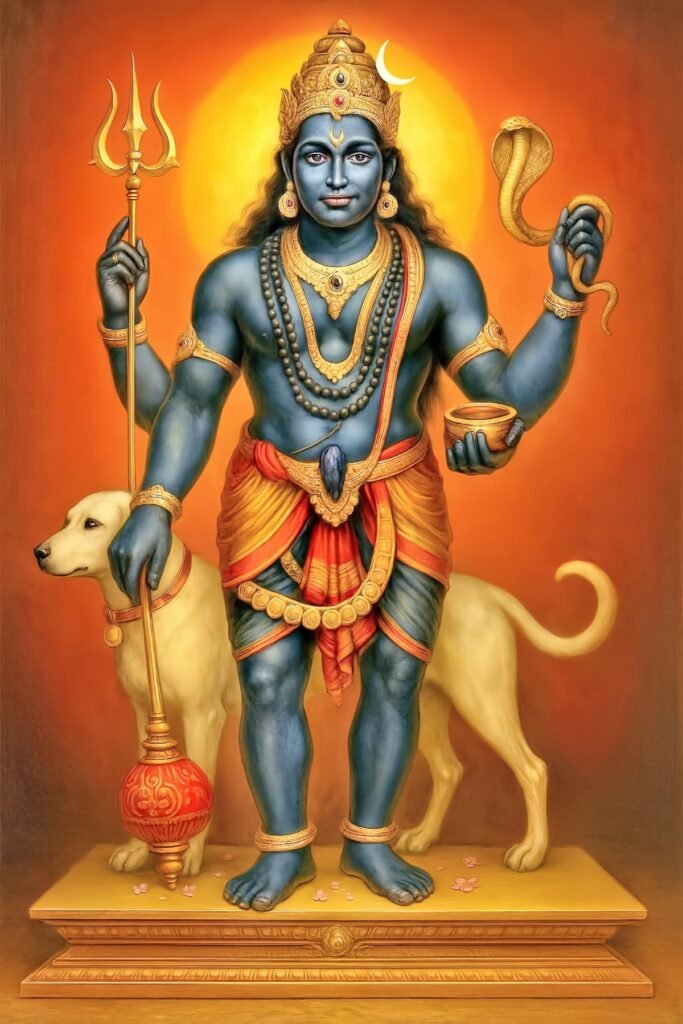
In Hindu tradition, Lord Kaal Bhairav is considered a powerful manifestation of Lord Shiva. He is revered as the protector of sacred places, the guardian of dharma, and the remover of fear arising from ignorance and negative tendencies.
Many temples depict Lord Kaal Bhairav carrying symbolic weapons that represent the destruction of ego, injustice, and ignorance. His vehicle is traditionally the dog, which symbolizes loyalty, vigilance, and protection.
Although his appearance is fierce, devotees worship Lord Kaal Bhairav as a compassionate guardian who encourages discipline, courage, and spiritual growth.
Kaal/ Kala Bhairav Worship
Kaal Bhairav Worship is considered an important aspect of Shaivism. Devotees visit temples dedicated to Lord Bhairav or worship at home with prayers and meditation.
Common devotional practices include:
- Chanting Bhairav mantras.
- Reading sacred scriptures.
- Offering oil lamps.
- Performing acts of charity.
- Feeding animals, particularly dogs, as a symbolic act of compassion.
These practices are rooted in traditional beliefs and vary across regions and spiritual lineages.
Kalashtami Significance
The Kalashtami Significance goes beyond performing rituals. It is an opportunity for devotees to cultivate inner awareness and strengthen their spiritual practices.
Traditionally, Kalashtami is observed to:
- Honor Lord Kaal Bhairav.
- Practice self-discipline through fasting.
- Spend time in prayer and meditation.
- Reflect on one’s actions and values.
- Seek courage to overcome fear and negativity.
- Strengthen devotion to Lord Shiva.
Why is Kalashtami Observed Every Month?
Unlike many festivals celebrated once a year, Kalashtami occurs every lunar month.
This monthly observance encourages devotees to pause from their daily routines and dedicate time to:
- Self-reflection
- Prayer
- Meditation
- Chanting
- Charity
- Spiritual learning
The recurring nature of Kalashtami emphasizes that spiritual growth is a continuous journey rather than a once-a-year practice.
Kalashtami Puja
The Kalashtami Puja is generally performed with simplicity and devotion. While customs may differ by region and family tradition, the following practices are commonly observed:
Morning Preparation
- Wake up early.
- Take a bath and wear clean clothes.
- Clean the home altar or prayer room.
- Offer prayers to Lord Ganesha before beginning the puja.
Worship of Lord Kaal Bhairav
Devotees typically offer:
- Flowers
- Fruits
- Incense
- Oil lamps (Deepam)
- Coconut
- Black sesame seeds
- Sweets or traditional offerings
Many devotees also recite:
- Kaal Bhairav Ashtakam
- Shiva Mantras
- Om Bhairavaya Namah
- Om Kalabhairavaya Namah
The focus remains on sincere devotion rather than elaborate rituals.
Traditional Beliefs About Kalashtami Benefits
According to Hindu tradition, sincere observance of Kalashtami may inspire devotees to cultivate positive qualities and deepen their spiritual practice.
Traditionally associated benefits include:
- Greater inner peace.
- Increased self-discipline.
- Strengthened devotion.
- Encouragement to overcome fear.
- Enhanced focus during meditation.
- A renewed commitment to righteous living.
These benefits are understood as matters of faith and personal spiritual experience rather than guaranteed or scientifically verified outcomes.
Learn more about the of Kalashtami Special – Samhara Bhairava Homam
https://www.sahasrararituals.in/remedial-services/samhara-bhairava-homam-kalashtami