Ganesh Chaturthi 2026: Date, Puja Timings, Significance, Rituals & Benefits
What is Ganesh Chaturthi?
Ganesh Chaturthi is one of the most widely celebrated Hindu festivals dedicated to Lord Ganesha, the beloved deity associated with wisdom, auspicious beginnings, intellect, and the removal of obstacles in Hindu tradition.
The festival is observed on Shukla Paksha Chaturthi, the fourth lunar day of the waxing Moon during the Hindu month of Bhadrapada. It is also known by names such as Vinayaka Chaturthi and Ganeshotsav.
Ganesh Chaturthi 2026 falls on Monday, September 14, 2026. According to the Chennai Panchang calculation, the main Madhyahna Ganesha Puja Muhurat is approximately 10:51 AM to 1:18 PM. The Chaturthi Tithi begins at approximately 7:06 AM on September 14 and ends around 7:44 AM on September 15.
Ganesh Chaturthi is celebrated in homes, temples, communities, and public spaces. Devotees install a Ganesha idol, perform daily worship, offer traditional Naivedyam, chant prayers, participate in cultural programs, and eventually perform Ganesh Visarjan, symbolically returning the idol to the elements.
The festival combines devotion, family traditions, music, art, community participation, and spiritual reflection.
Ganesh Chaturthi 2026 Date and Timings
When is Ganesh Chaturthi 2026?
Ganesh Chaturthi 2026 will be celebrated on Monday, September 14, 2026.
The festival begins with the installation and worship of Lord Ganesha during the appropriate Chaturthi period.
For Chennai, the relevant timings are:
| Event | Date / Time |
| Ganesh Chaturthi | Monday, September 14, 2026 |
| Chaturthi Tithi Begins | September 14, around 7:06 AM |
| Chaturthi Tithi Ends | September 15, around 7:44 AM |
| Chennai Puja Muhurat | Approximately 10:51 AM – 1:18 PM |
| Ganesh Visarjan | Friday, September 25, 2026 |
| Festival Tradition | Bhadrapada Shukla Chaturthi |
These timings are location-sensitive. For example, the listed Madhyahna Puja window varies across cities because local sunrise and sunset calculations differ.
What is the Best Time for Ganesh Chaturthi Puja 2026?
The traditional period considered especially suitable for Ganesh Chaturthi Puja is Madhyahna, the midday period.
For Chennai, the 2026 Ganesh Chaturthi Puja Muhurat is approximately:
10:51 AM to 1:18 PM on Monday, September 14, 2026.
Devotees planning a home puja can prepare the altar and Ganesha idol before this period so that the main worship can be completed during the available Muhurat.
Since Muhurat calculations depend on location, readers in other cities should check their local Panchang rather than applying Chennai timings directly.
Why is Ganesh Chaturthi Celebrated?
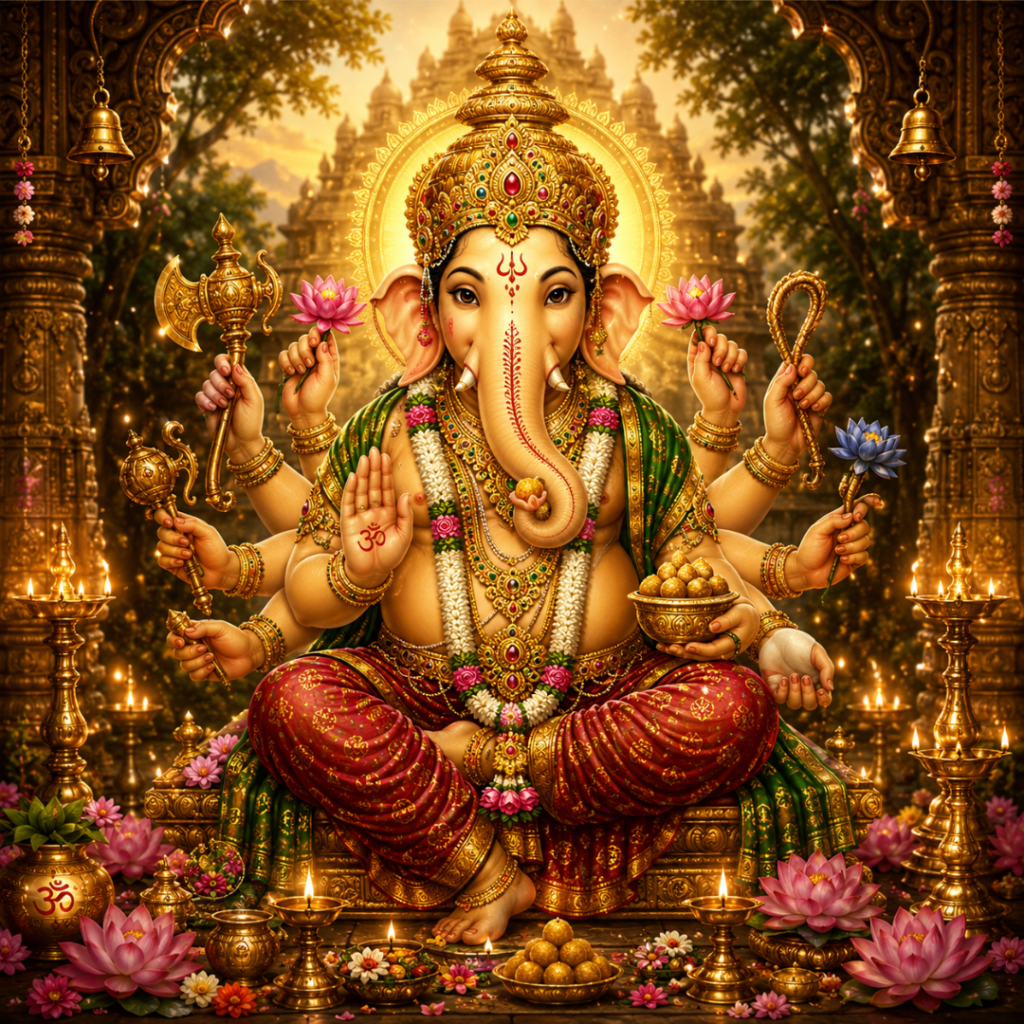
Ganesh Chaturthi is celebrated to honor the birth or manifestation of Lord Ganesha, who is traditionally revered as the son of Lord Shiva and Goddess Parvati. Ganesha is worshipped at the beginning of many Hindu ceremonies because he is associated with:
- Auspicious beginnings
- Wisdom
- Removal of obstacles
- Learning
- Success in righteous efforts
- Discernment
For many devotees, the festival is an opportunity to begin a new spiritual cycle with prayer, discipline, and positive intention. The festival also carries an important cultural message: challenges are a natural part of life, but wisdom, patience, and thoughtful action can help a person navigate them.
Ganesh Chaturthi Significance
The Ganesh Chaturthi Significance can be understood at several levels—religious, spiritual, cultural, and symbolic.
Symbol of Wisdom
Lord Ganesha is traditionally associated with Buddhi, or intellect and discernment.
His worship reminds devotees that knowledge should be combined with good judgment.
Remover of Obstacles
Ganesha is widely known as Vighnaharta, meaning one who removes obstacles.
In traditional devotion, people pray to Ganesha before beginning important activities.
This does not mean that every difficulty will automatically disappear. Rather, the symbolism encourages devotees to seek wisdom and clarity while facing challenges.
Lord of Auspicious Beginnings
Ganesha is commonly worshipped before weddings, housewarming ceremonies, educational activities, business beginnings, and other important occasions.
Spiritual Awareness
The festival encourages devotees to look beyond external success and reflect on qualities such as humility, patience, discipline, and wisdom.
The Story of Lord Ganesha
One of the most widely known stories of Ganesha’s origin is found in Hindu religious traditions involving Goddess Parvati and Lord Shiva.
According to the traditional narrative, Parvati created Ganesha and instructed him to guard the entrance while she was bathing.
When Shiva returned, Ganesha prevented him from entering because he was following Parvati’s instructions.
A conflict followed, and Shiva ultimately severed Ganesha’s head.
When Parvati learned what had happened, she became deeply distressed and demanded that Ganesha be restored.
Shiva then instructed his followers to bring the head of the first suitable living being they encountered. According to the story, an elephant’s head was brought and placed upon Ganesha.
Ganesha was then restored to life and given an honored position among the divine beings.
The story has several symbolic interpretations.
It can be understood as a story about:
- Duty
- Obedience
- Transformation
- Ego
- Reconciliation
- Divine
- wisdom
- New beginnings
Different scriptures and regional traditions present variations of the story.
What Does Lord Ganesha Symbolize?
The form of Lord Ganesha contains numerous symbolic elements.
Elephant Head
The elephant head is traditionally associated with:
- Wisdom
- Strength
- Intelligence
- Memory
- Patience
Large Ears
Ganesha’s large ears are often interpreted as a reminder to listen carefully.
Spiritual wisdom begins with attentive listening.
Small Eyes
The small eyes can symbolize concentration and focused awareness.
Large Belly
Ganesha’s large belly is traditionally interpreted in various ways, including the ability to accept and digest life’s experiences.
One Broken Tusk
Ganesha is often depicted with one broken tusk.
Traditional stories give different explanations for the broken tusk. Symbolically, it has been associated with sacrifice, wisdom, and the ability to overcome limitations.
Mouse as Vehicle
Ganesha’s mouse, or Mushika, is also highly symbolic.
Some traditional interpretations connect the mouse with restless desires or the mind. Ganesha riding the mouse can therefore symbolize wisdom governing uncontrolled impulses.
These interpretations belong to Hindu symbolic and devotional traditions rather than scientific explanations.
Ganesh Chaturthi Spiritual Significance
The Ganesh Chaturthi Spiritual Significance extends beyond the celebration of a deity.
For many devotees, the festival provides an opportunity for inner reflection.
Wisdom Before Action
Ganesha is worshipped before beginnings, reminding people to think carefully before taking action.
Removing Inner Obstacles
Obstacles are not always external.
Fear, confusion, impatience, ego, procrastination, and lack of discipline can also become barriers.
Ganesh worship can therefore be used as a reminder to work on these inner challenges.
Humility
Despite being associated with wisdom and divine authority, Ganesha is depicted in a distinctive and approachable form.
His image encourages devotees to understand that true wisdom is not necessarily associated with outward appearance.
Adaptability
The elephant is known symbolically for strength and adaptability, qualities that can inspire devotees when dealing with changing circumstances.
Ganesh Chaturthi Rituals
The Ganesh Chaturthi Rituals vary according to regional customs, family traditions, and the number of days for which the idol is kept.
However, the major practices generally include:
- Preparing the puja space
- Bringing or making a Ganesha idol
- Prana Pratishtha
- Ganapati Puja
- Offering flowers and Durva grass
- Offering Modak and other Naivedyam
- Chanting mantras
- Performing Aarti
- Daily worship during the festival period
- Ganesh Visarjan
Let’s look at these practices in more detail.
Why is Modak Offered to Lord Ganesha?
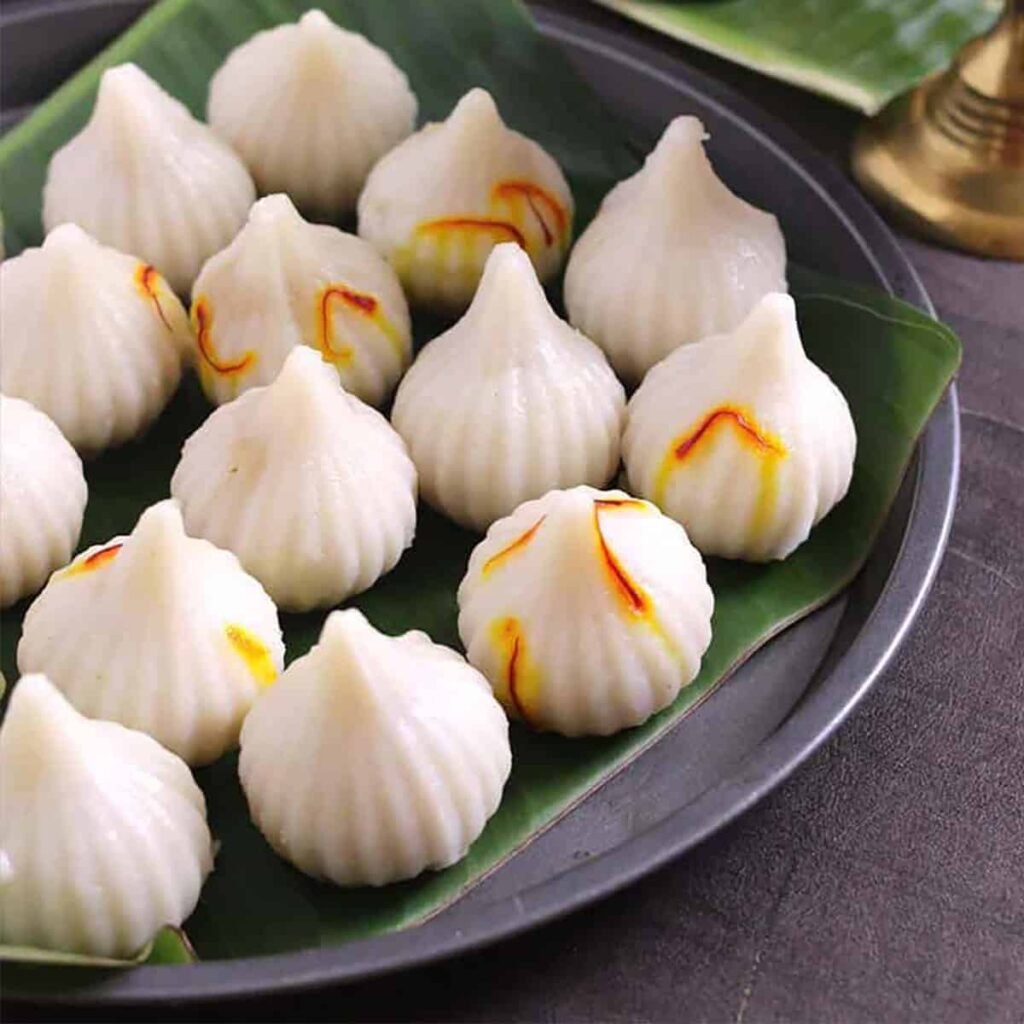
Modak is one of the most popular offerings associated with Lord Ganesha.
It is often prepared using ingredients such as:
- Rice flour
- Coconut
- Jaggery
- Cardamom
Different regions have their own versions. Modak is traditionally considered a favorite food of Ganesha.
Beyond the food itself, the sweet filling is sometimes interpreted symbolically as representing the sweetness of spiritual knowledge.
The hard outer layer and sweet inner filling can be understood as a reminder that meaningful wisdom may require effort to discover.
Why is Durva Grass Offered to Ganesha?
Durva grass is one of the distinctive offerings in Ganesha worship.
It is traditionally considered especially dear to Lord Ganesha.
Devotees often offer small bunches of Durva during Ganapati Puja.
The practice comes from traditional religious customs and is an important part of many forms of Ganesh worship.
Ganesh Chaturthi Benefits
The Ganesh Chaturthi Benefits are traditionally understood primarily in spiritual and devotional terms.
Devotees may associate the festival with:
Cultivating Wisdom
Ganesha worship encourages reflection on knowledge and discernment.
Developing Patience
The symbolism of Ganesha can inspire devotees to approach challenges calmly.
Seeking Clarity
Prayer can provide a structured opportunity to pause and think about important decisions.
Strengthening Family Bonds
Ganesh Chaturthi often brings family members together for preparation, puja, meals, and cultural activities.
Encouraging Community Spirit
Public celebrations can create opportunities for people to participate in shared cultural and devotional activities.
Supporting Spiritual Discipline
Daily worship, mantra chanting, and fasting can encourage consistency in spiritual practice.
These are traditional or experiential benefits, not scientifically guaranteed outcomes.
Ganesh Chaturthi and Vedic Astrology
From a traditional Jyotisha perspective, Hindu festivals are connected with Tithi, Nakshatra, lunar cycles, and Panchanga calculations.
Ganesh Chaturthi occurs on Shukla Paksha Chaturthi during Bhadrapada.
The Chaturthi Tithi is therefore important for determining the festival.
Lord Ganesha is also traditionally associated with Buddhi, intelligence, discrimination, and learning.
Because of this, some traditional astrological practices recommend Ganesha worship before beginning certain activities or spiritual remedies.
However, religious festival observance and horoscope interpretation should not be confused.
An individual’s birth chart requires consideration of the complete horoscope, including Lagna, planets, houses, Nakshatras, Dashas, and other relevant factors.
There is no scientific evidence that merely performing Ganesh Chaturthi Puja guarantees a specific career, financial, relationship, or health outcome.
Learn more about the of Ganesh Chaturthi 2026 Special Rituals: