Purnima / Pournami: Significance, Importance, Puja, Fasting & Spiritual Benefits
Purnima, also known as Pournami or Purnima Tithi, is the full moon day in the Hindu lunar calendar. It marks the end of the Shukla Paksha, the period in which the Moon is traditionally understood to be increasing in illumination from Amavasya to the full Moon.
Purnima holds an important place in Hindu religious traditions. Many festivals, vratas, temple observances, spiritual practices, and charitable activities are associated with different Purnima days throughout the year.
The Purnima Meaning is closely connected with fullness, completion, illumination, and spiritual reflection. The full Moon has traditionally been regarded as a powerful symbol of light and completeness, particularly because it shines brightly in the night sky.
The Purnima Meaning is closely connected with fullness, completion, illumination, and spiritual reflection. The full Moon has traditionally been regarded as a powerful symbol of light and completeness, particularly because it shines brightly in the night sky.
Purnima Meaning
The Sanskrit word Purnima is derived from the concept of Purna, meaning full, complete, or whole.
Therefore, Purnima is traditionally associated with the fullness of the Moon.
In the Hindu lunar calendar, each month contains two lunar fortnights:
- Shukla Paksha – the waxing phase of the Moon
- Krishna Paksha – the waning phase of the Moon
Purnima occurs at the culmination of Shukla Paksha, when the Moon is traditionally described as being full.
From a spiritual perspective, the idea of fullness is often interpreted as a reminder to seek completeness not merely through material possessions but through:
- Inner peace
- Gratitude
- Self-awareness
- Devotion
- Wisdom
- Compassion
- Spiritual discipline
This symbolic understanding is one reason Purnima has remained important across generations.
What is Pournami?
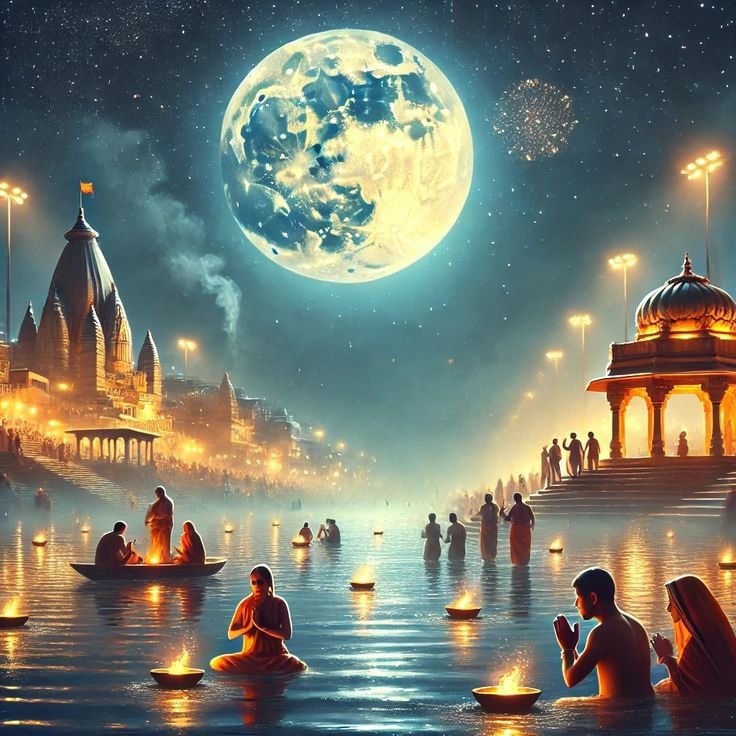
Pournami is another commonly used name for Purnima, particularly in South Indian languages and traditions. In Tamil, Telugu, Kannada, and other regional contexts, the full Moon day may be referred to as Pournami or a closely related local term.
Thus:
Purnima = Pournami = Full Moon Tithi
The name may differ depending on language and region, but the basic lunar concept is the same.
For example, devotees may say:
- Purnima Vrat
- Pournami Vrat
- Purnima Puja
- Pournami Puja
- Purnima Tithi
These terms refer to religious observances connected with the full Moon day.
Pournami Significance in Hindu Tradition
The Pournami Significance is rooted in the traditional Hindu lunar calendar and the spiritual importance given to the Moon. The Moon, known as Chandra or Soma, has an important place in Hindu scriptures, rituals, astrology, and mythology. Because Purnima represents the brightest phase of the lunar cycle, it has traditionally been regarded as an appropriate time for:
- Prayer
- Meditation
- Fasting
- Charity
- Temple worship
- Mantra chanting
- Spiritual study
- Self-reflection
Different Purnima days are associated with different deities and festivals.
For example:
- Chaitra Purnima is associated with Hanuman Jayanti in many traditions.
- Vaishakha Purnima is associated with Buddha Purnima.
- Jyeshtha Purnima is associated with Vat Purnima in several communities.
- Ashadha Purnima is celebrated as Guru Purnima.
- Shravana Purnima includes Raksha Bandhan and other regional observances.
- Bhadrapada Purnima has connections with various religious observances.
- Kartika Purnima is one of the most significant full Moon festivals in the Hindu calendar.
- Margashirsha Purnima is associated with regional devotional practices.
The significance therefore varies according to the particular month and tradition.
Purnima Importance in Hinduism
The Purnima Importance extends across religious, cultural, and spiritual life. Unlike a single festival, Purnima occurs every lunar month. Each full Moon provides an opportunity for devotees to pause from ordinary activities and turn toward prayer and reflection. Traditionally, Purnima is considered suitable for:
Worship
Devotees may perform puja to their chosen deity or follow the particular deity associated with that month’s Purnima.
Fasting
Some people observe Purnima Vrat as an act of devotion and self-discipline.
Charity
Giving food, clothes, money, or other useful items to those in need is traditionally considered a meritorious practice.
Meditation
The full Moon is often used as a symbolic reminder of inner illumination.
Spiritual Study
Devotees may read the Bhagavad Gita, Puranas, Ramayana, devotional literature, or other sacred texts.
Full Moon Day in Hinduism
The Full Moon Day in Hinduism is important because the traditional Hindu calendar is closely connected with lunar cycles. The Moon has long been used to determine:
- Tithis
- Festivals
- Vratas
- Religious ceremonies
- Auspicious observances
- Lunar months
Purnima is therefore not simply a visual astronomical event. It is also a specific Tithi within the Hindu calendrical system. A Tithi is a lunar day calculated from the angular relationship between the Sun and Moon. Because of this, the exact beginning and ending of Purnima Tithi do not necessarily coincide perfectly with the civil calendar date of the visible full Moon.
This distinction is particularly important when determining the date of a religious festival.
Purnima and the Moon in Hindu Tradition
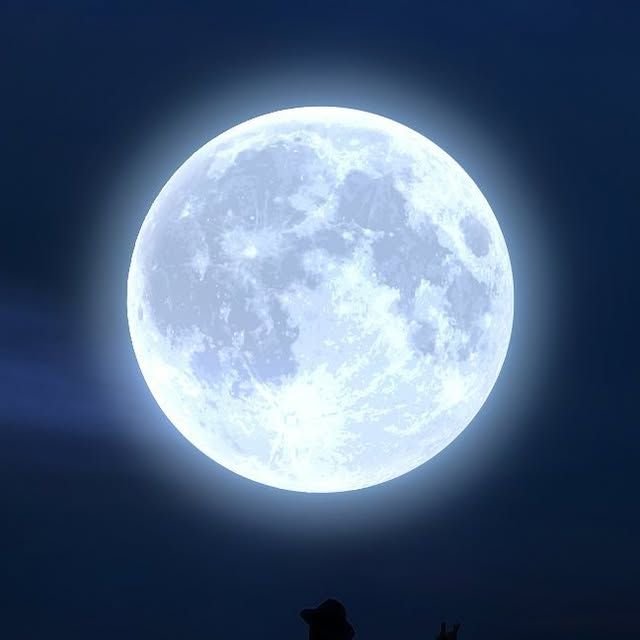
The Moon holds a special place in Hindu thought. In Vedic and Puranic traditions, Chandra is regarded as a divine celestial being and is associated with qualities such as:
- Mind
- Emotions
- Nourishment
- Beauty
- Calmness
In Vedic astrology, the Moon is traditionally associated with the mind, emotional nature, mental impressions, motherly nourishment, and one’s subjective experience.
These are traditional astrological interpretations rather than conclusions established by modern scientific research.
The connection between the Moon and human psychology is therefore best understood within its cultural and astrological framework rather than as a scientifically proven causal relationship.
Why is Purnima Considered Spiritually Important?
The Importance of Full Moon Day can be understood through the symbolism of light and fullness. The full Moon illuminates the night sky. In spiritual traditions, light is often used as a metaphor for:
- Knowledge over ignorance
- Awareness over confusion
- Wisdom over misunderstanding
- Hope over despair
Purnima can therefore serve as a reminder to examine one’s thoughts and actions.
Rather than viewing the day only as a time to ask for material blessings, devotees may use it for introspection:
What should I improve?
What should I let go of?
For what should I be grateful?
How can I serve others?
These reflections can give a personal dimension to the traditional observance.
Purnima Fasting
Purnima Fasting, also called Purnima Vrat, is observed by many devotees. However, fasting practices differ widely. Some people may observe:
- Complete fasting
- Water-only fasting
- Fruit fasting
- Milk and fruit
- One simple vegetarian meal
- Sattvic food throughout the day
There is no need to assume that one type of fasting is appropriate for everyone. The traditional purpose of fasting is often connected with:
- Self-control
- Devotion
- Discipline
- Simplicity
- Reducing distractions
- Focusing on prayer
A person should not undertake an extreme fast if it is unsuitable for their health. Pregnant women, children, elderly people, people with medical conditions, and those taking medication should follow appropriate medical and dietary guidance.
Purnima Vrat Benefits
The Purnima Vrat Benefits traditionally described in Hindu practice are primarily spiritual and devotional. Devotees may regard fasting as a way to develop:
Self-Discipline
Restricting food or indulgence can traditionally represent control over one’s habits.
Mental Focus
A simpler routine may help some people dedicate more time to prayer or reflection.
Devotional Awareness
The Vrat can create a sense of sacredness around the day.
Gratitude
Fasting and prayer may encourage appreciation for food, family, health, and other blessings.
Charity
Many devotees combine fasting with feeding others or donating food.
These benefits should be understood as traditional spiritual interpretations. There is no scientific basis for claiming that Purnima fasting guarantees specific material, health, or spiritual results.
Purnima Spiritual Benefits
The Purnima Spiritual Benefits are often understood through the practices performed on the day rather than through the Moon alone. Devotees may use Purnima as a regular opportunity to:
- Meditate
- Pray
- Practice gratitude
- Read scriptures
- Visit temples
- Perform charity
- Reduce unnecessary distractions
- Reflect on personal conduct
The spiritual value of Purnima can therefore come from conscious practice.
A person who spends the day in sincere reflection may experience a greater sense of peace or devotion, although such experiences naturally differ from one individual to another.
Purnima and Meditation
Many spiritual practitioners use the full Moon as a reminder to meditate. A simple practice may involve:
- Sitting quietly for 10–15 minutes.
- Keeping the spine comfortable and upright.
- Observing natural breathing.
- Repeating a chosen mantra.
- Allowing thoughts to arise without excessive attachment.
- Ending with a moment of gratitude.
There is no requirement to meditate outdoors under the Moon. Meditation can be practiced safely indoors at any convenient time. The spiritual association with Purnima comes from tradition and symbolism rather than scientific evidence that the full Moon itself creates a special meditative state.
Purnima in Vedic Astrology
From the perspective of Vedic astrology, the Moon has an important role in understanding the mind and emotional tendencies. Purnima occurs when the Moon is opposite the Sun in the zodiacal framework used for calculating the lunar phase. In traditional Jyotisha, the strength and condition of the Moon are considered important when interpreting a birth chart.
A person born around Purnima may have a strong lunar emphasis in their horoscope depending on the exact planetary positions and other chart factors. However, one should not make conclusions about personality or destiny solely from the fact that someone was born on Purnima.
A proper Vedic astrology analysis considers:
- Lagna
- Moon sign
- Nakshatra
- Planetary positions
- Houses
- Aspects
- Dashas
- Divisional charts
- Other relevant chart factors
Astrological interpretations are part of a traditional belief system and are not scientifically established predictions.
Learn more about the of Pournami Special Rituals:
https://www.sahasrararituals.in/remedial-services/bala-tripurasundari-maha-homam-pournami